Dairy Engineering diploma in Varanasi.
The Diploma in Dairy Engineering at BIPE (also called Dairy Technology at degree level — the diploma board uses 'Engineering') is one of only four BTEUP-affiliated diploma programmes of its kind across all of Uttar Pradesh — code 327, 3 years, 6 semesters, AICTE-approved. The curriculum covers milk processing, dairy machinery, refrigeration, microbiology and quality assurance — taught through BIPE's on-campus chemistry, hydraulics and mechanics labs plus structured industrial visits to working dairy plants such as Banas Dairy Varanasi, followed by a mandatory six-month industrial training placement in Semester 6. Recruiter pipelines run into Amul, Mother Dairy, Parag, Nestlé, NDDB and the State Dairy Boards — career options that simply don't exist for graduates of other branches.
What you'll learn. Six semesters.
BTE UP polytechnic curriculum for code 327 — the six-semester sequence below covers theory, lab work and mandatory training. Semester 6 includes a 6-month industrial training and a final project assessed by external examiners.
Subject names below follow the standard BTE UP polytechnic curriculum. For the exact subject list, codes and marks distribution applicable to your admission year, refer to the official BTE UP gazette.
- Communication Skills in English
- Engineering Mathematics – I
- Engineering Physics
- Engineering Chemistry
- Engineering Drawing
- Dairy Industry Overview
- Workshop Practice
- Communication Skills in English – II
- Engineering Mathematics – II
- Applied Mechanics
- Dairy Microbiology
- Heat Transfer in Dairy
- Basic Electrical Engineering
- Dairy Workshop
- Market Milk Processing
- Dairy Engineering Drawing
- Fluid Mechanics
- Dairy Chemistry
- Computer Applications in Dairy
- Refrigeration in Dairy Plant
- Milk Reception Lab
- Dairy Plant Operations
- Refrigeration & Air Conditioning
- Dairy Plant Layout & Design
- Industrial Statistics & Quality Control
- Dairy Machinery & Maintenance
- Packaging Technology
- Processing Lab — Pasteurisation & Homogenisation
- Indigenous Dairy Products (Curd, Paneer, Ghee)
- Condensed & Dried Milk Products
- Ice-Cream & Frozen Desserts
- Fat-Rich Dairy Products
- Dairy Plant Sanitation & Hygiene
- Mini Project — Product Development
- Industrial Visit (NDDB / Amul plant)
- Quality Control & Food Safety (FSSAI norms)
- Dairy Business Management & Marketing
- Dairy Plant Maintenance & Utilities
- Final-year Project — capstone
- Industrial Training (6 months at Amul / Mother Dairy / NDDB / Parag)
- Project Expo & Viva Voce
Where the diploma is taught.
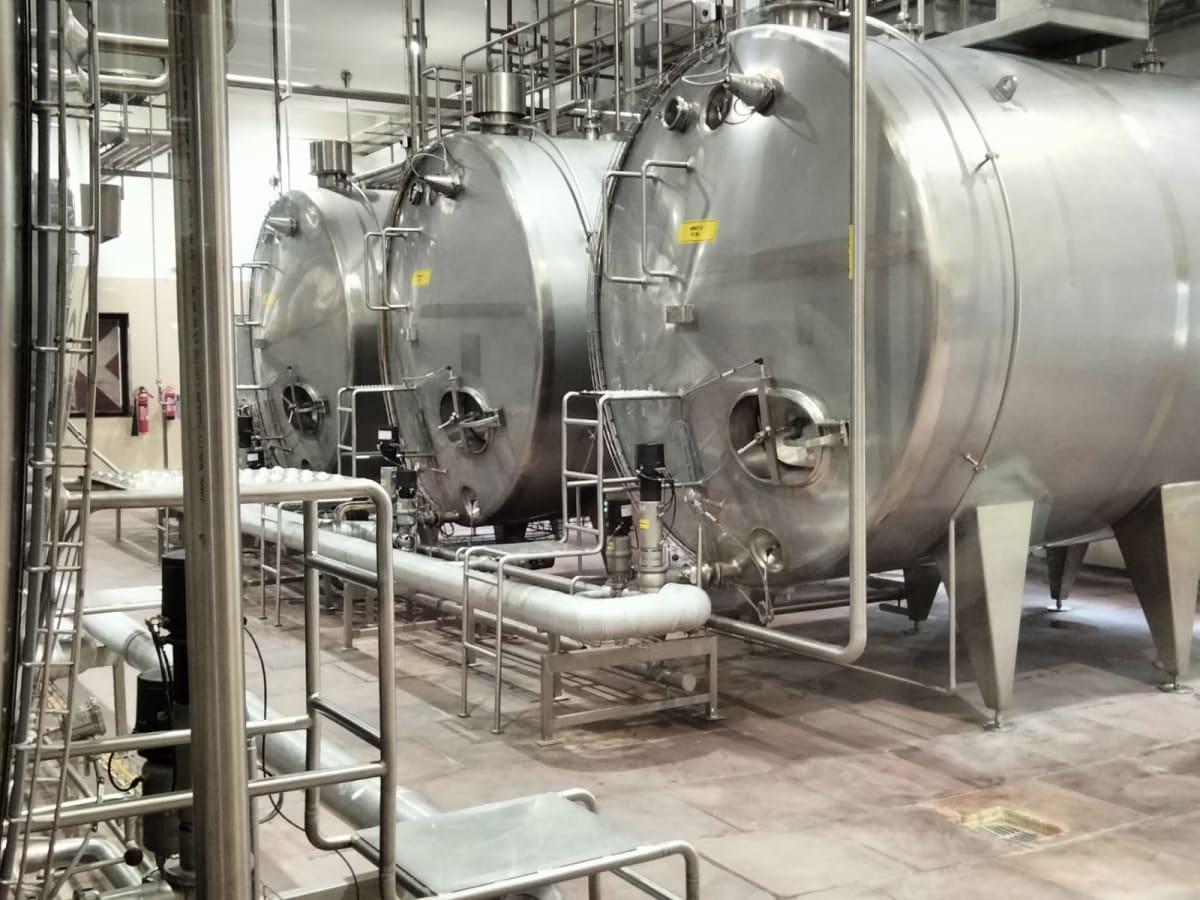
Structured cohort visits to active dairy plants — most recently Banas Dairy Plant Varanasi — give students floor-time on real pasteurisers, separators, homogenisers, storage silos and capping/packaging lines. Plant unit operations from the BTEUP syllabus are taught on actual production machinery, not lab models. BIPE does not run its own pilot plant; the visits are how dairy unit-operation exposure happens.
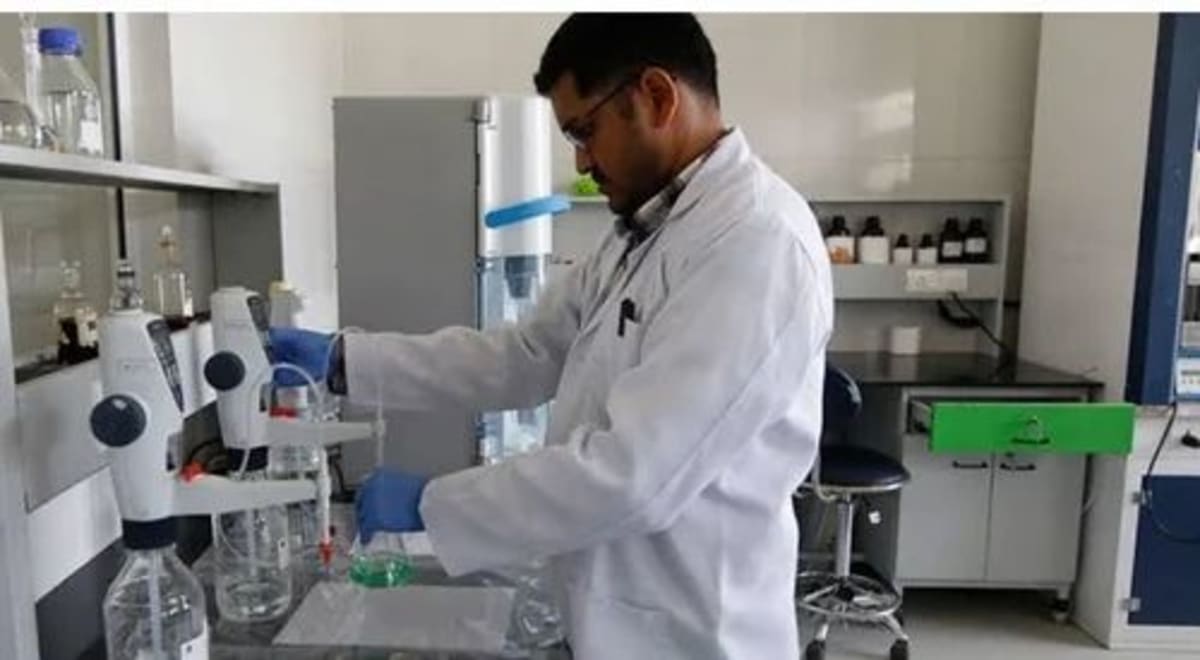
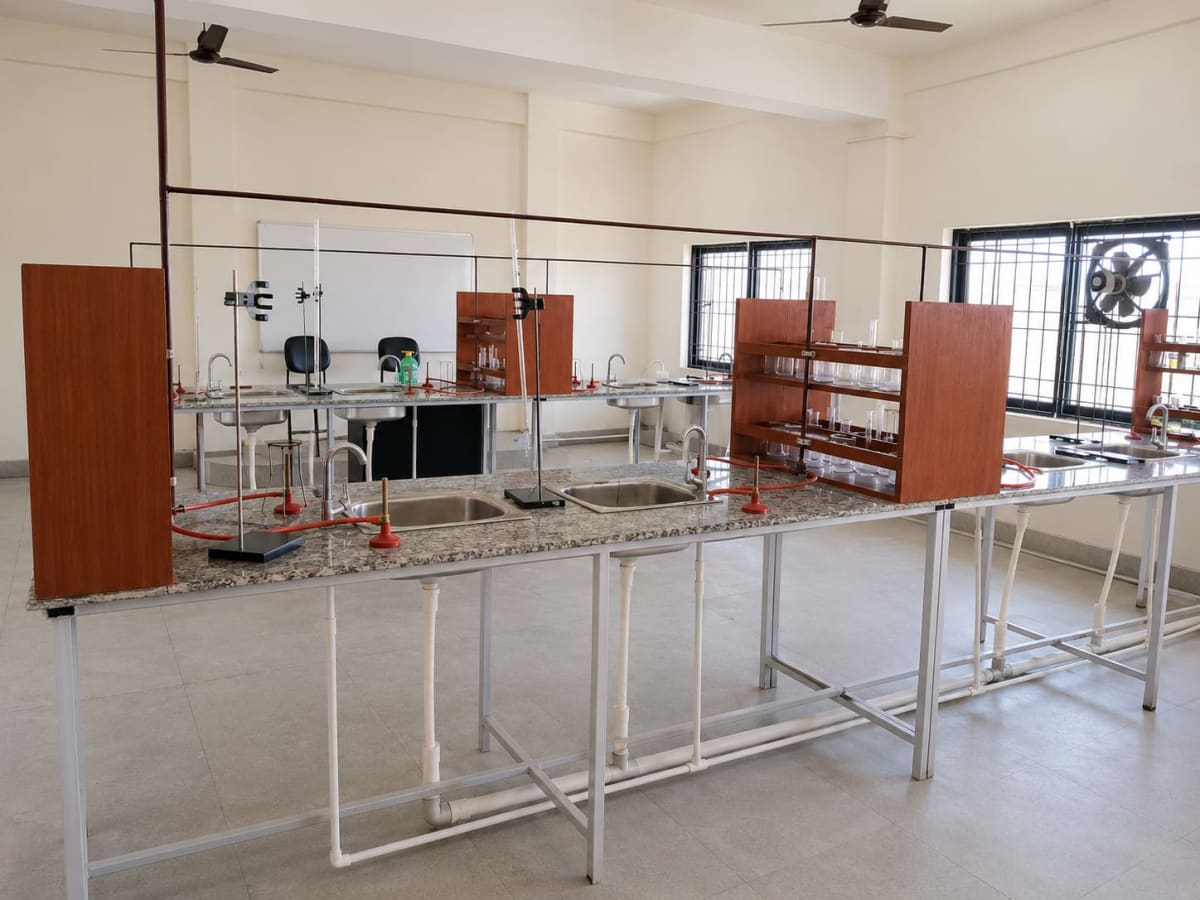
Standard plate counts, antibiotic residue tests, lactometer and fat-percentage analysis — the FSSAI-aligned analytical curriculum is taught in BIPE's on-campus chemistry lab.
BIPE's hydraulics lab (BIPEHYD/201 series rigs — pumps, control valves, delivery pipes) supports the Semester 3 fluid mechanics module and the unit operations that move milk through a real plant — flow, pressure, valve control.
What alumni do next.
- Plant operator / shift engineer at Amul, Mother Dairy, Parag, Nestlé
- Quality control & FSSAI compliance roles in dairy and food processing
- Junior Engineer at NDDB and State Dairy Federations (UP, Bihar, MP)
- Lateral entry to B.Tech Dairy Technology at NDRI Karnal, SHIATS Allahabad and ICAR institutes
- Self-employment — small-scale dairy plants, paneer / ghee / curd brands
Class 10 pass. JEECUP 4455.
Eligibility for the Dairy Engineering diploma is a Class 10 pass with Mathematics and Science. Admission is through JEECUP Group A — choose institute code 4455 and BTEUP code 327 during counselling. AICTE permanent ID 1-488233171.
₹30,150/year. AFRC-set.
Tuition is ₹30,150 per year — the same AFRC-approved figure for every branch at BIPE. UP Government post-matric scholarships cover full or partial tuition for SC, ST, OBC, EWS and Minority students. Hostel and mess fees are separate.
Asked & answered.
Is Dairy Engineering at BIPE BTEUP 327?+
Yes — Dairy Engineering at BIPE is BTEUP code 327, JEECUP institute code 4455. BIPE is one of only four institutes in UP offering this programme — a genuinely rare credential.
What's the difference between Dairy Engineering and Dairy Technology?+
Dairy Engineering (BTEUP 327) is a 3-year diploma after Class 10, focused on the machinery, processing and plant operation side. Dairy Technology is typically a longer degree (B.Tech, 4 years, after Class 12) at institutes like NDRI Karnal. BIPE alumni regularly use lateral entry into B.Tech Dairy Technology after the diploma.
Where do Dairy Engineering graduates work?+
Plant-floor and quality roles at Amul, Mother Dairy, Parag, Nestlé and NDDB. Junior Engineer cadres at State Dairy Federations are diploma-eligible. Some alumni start their own small-scale dairy ventures using the industrial-visit exposure and the six-month industrial training placement that Semester 6 mandates.
Do girls take admission in Dairy Engineering at BIPE?+
Yes — Dairy Engineering is open to all applicants who clear JEECUP Group A and select code 4455 during counselling. There is no gender restriction on the branch.
What is the starting salary after Dairy Engineering diploma?+
Plant-operator and quality-control roles at Amul, Mother Dairy and Parag start at ₹18,000-28,000/month for fresh diploma graduates. Junior Engineer (Dairy) roles at State Dairy Federations and NDDB start ₹30,000-40,000/month in-hand plus DA. After 3-5 years of plant experience, shift-engineer roles cross ₹45,000-55,000/month routinely. The dairy sector pays close to or slightly above the equivalent grade in mechanical / electrical at the entry level because the talent pool is small.
Is dairy engineering a good career choice in 2026?+
Yes — for a specific reason. The Indian dairy market is the world's largest by volume (235 million metric tonnes/year) and is shifting from unorganised milkman supply to organised processed dairy (paneer, curd, ghee, ice-cream, condensed milk). That shift creates structural demand for trained dairy engineers that doesn't exist in the same way for mechanical or civil. Recruiter pipelines like Amul / NDDB / Parag actively visit polytechnics with dairy diplomas because there are only four such polytechnics in UP. Lower competition for jobs, sector tailwinds.
How do BIPE Dairy Engineering students get hands-on plant experience?+
BIPE does not operate its own pilot dairy plant. Hands-on plant exposure comes through three channels: (1) on-campus labs — chemistry for milk-quality and fat/plate-count testing, hydraulics for the process-fluid mechanics that move milk through real plants, mechanics-of-solids for the materials science of processing equipment; (2) structured cohort industrial visits to active dairy plants (most recently Banas Dairy Plant Varanasi) where students walk the floor with pasteurisers, separators, homogenisers, storage silos and capping/packaging lines in live operation; (3) a mandatory six-month industrial training placement in Semester 6 at one of Amul, Mother Dairy, NDDB or Parag — the real machine time happens there, supervised by the host plant's shift engineers. The BTEUP syllabus unit operations get taught on actual production equipment, not lab models — just not on equipment BIPE itself owns.
Three years. One diploma. A career.
Applications for the 2026-27 Dairy Engineering cohort are open. Five minutes to apply — personal guidance call within 24 hours.